Life rarely stays still. Families experience transitions that reshape routines, responsibilities, and emotional dynamics. These changes may be planned or unexpected, welcomed or challenging, gradual or sudden. Regardless of how they arise, major life shifts often test a family’s ability to stay emotionally connected while adapting to new realities.
Connection does not disappear during times of change, but it can become strained. Stress, uncertainty, and competing priorities can pull family members in different directions. Maintaining closeness during these periods requires intention, communication, and flexibility. Families who recognize the emotional impact of change are better equipped to support one another and preserve meaningful bonds.
This article explores how families can maintain connection through big life changes by strengthening communication, honoring routines, supporting emotional needs, and adapting together. Whether facing transitions related to growth, health, relocation, or evolving roles, families can remain grounded by approaching change as a shared experience rather than an individual burden.
Understanding Why Life Changes Affect Family Connection
Big life changes often disrupt familiar patterns. Routines that once provided structure may disappear overnight. Roles within the family may shift, forcing individuals to adjust expectations and responsibilities. These disruptions can create emotional distance if they are not addressed openly.
Change also introduces uncertainty. When family members feel unsure about what lies ahead, anxiety can replace openness. Children may struggle to express their emotions clearly, while adults may feel pressure to remain strong or composed. Without intentional connection, these emotional responses can lead to misunderstandings or withdrawal.
Recognizing that disconnection is a natural response to stress helps families respond with compassion rather than frustration. Awareness creates space for patience and dialogue during periods of adjustment.
Prioritizing Open and Honest Communication
Communication is the foundation of connection during transitions. When families openly discuss what is changing, why it matters, and how it may affect everyone, they reduce confusion and fear.
Open communication does not require having all the answers. It means acknowledging uncertainty and inviting conversation. Children often sense change even when adults attempt to shield them. Honest discussions allow them to feel included rather than excluded.
Regular check-ins create opportunities for family members to share concerns and observations. These conversations reinforce trust and remind everyone that they are navigating change together.
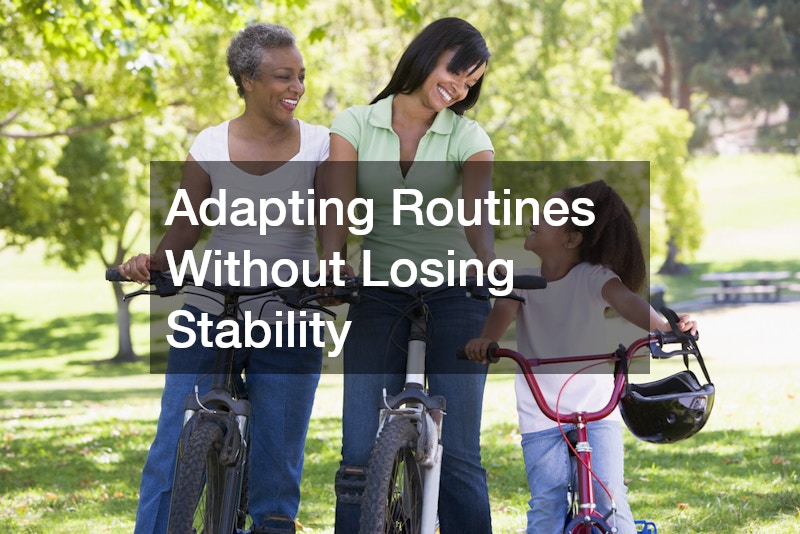
Adapting Routines Without Losing Stability
Routines provide predictability, which becomes especially important during times of change. While some routines may need to shift, maintaining familiar anchors helps families feel grounded.
Mealtimes, bedtime rituals, or weekly activities can serve as constants even when other aspects of life feel uncertain. These shared moments reinforce connection and provide opportunities for conversation.
When routines must change, involving family members in the adjustment process fosters cooperation. Discussing new schedules and expectations together encourages flexibility and shared ownership.
How Families Can Rebuild Connection After Sudden Change
Some life changes happen gradually, giving families time to prepare emotionally. Others arrive abruptly, leaving little space for adjustment. Sudden job loss, illness, unexpected moves, or family restructuring can disrupt emotional balance almost overnight. When change comes without warning, families may struggle to find their footing.
Rebuilding a connection after a sudden change begins with slowing down. Families often feel pressure to “fix” everything quickly, but emotional processing requires time. Allowing space for shock, confusion, or grief helps prevent emotional shutdown. When families acknowledge the difficulty of sudden change, they validate one another’s experiences instead of minimizing them.
Connection grows when family members are encouraged to express emotions without fear of judgment. Silence can be a coping mechanism, but prolonged withdrawal may create emotional distance. Gentle check-ins, shared meals, or quiet time together help reopen channels of connection without forcing conversation before people are ready.
Managing Change While Respecting Different Coping Styles
Every family member processes change differently. Some people talk through emotions, while others reflect internally. Some seek reassurance, while others need space. These differences can cause misunderstanding if families expect everyone to respond the same way.
Maintaining connection means respecting individual coping styles while still nurturing togetherness. Families can normalize these differences by acknowledging them openly. Saying “We all handle this differently, and that’s okay” reduces tension and builds acceptance.
Creating multiple avenues for connection supports diverse needs. Conversation, shared activities, creative expression, and quiet companionship all count as meaningful connections. Families who expand their definition of togetherness are better equipped to support one another during transition.
Helping Children Feel Secure When the Future Feels Unclear
Children often sense instability before they fully understand it. When big life changes occur, children may worry about what will happen next, even if they cannot articulate those fears clearly.
Maintaining connection during uncertainty requires reassurance through consistency rather than promises. Families can emphasize what remains the same even as other things change. Familiar routines, trusted caregivers, and predictable expectations provide emotional grounding.
Encouraging children to ask questions reinforces trust. Even when answers are incomplete, honest responses build security. Avoiding difficult topics may increase anxiety, while age-appropriate transparency helps children feel included rather than left out.
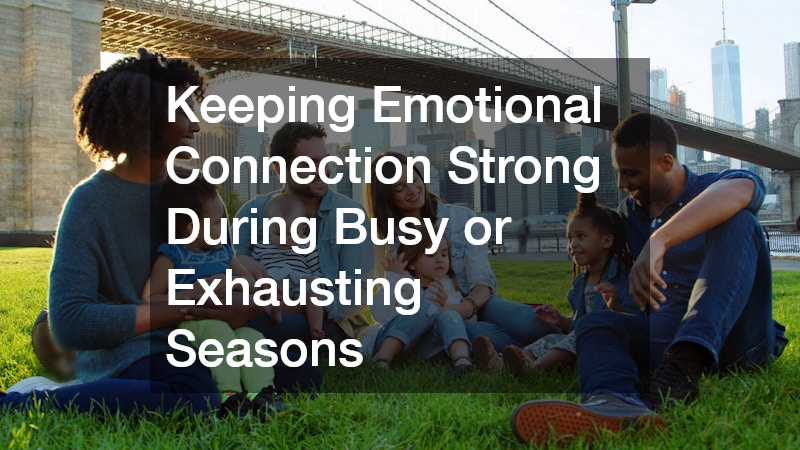
Keeping Emotional Connection Strong During Busy or Exhausting Seasons
Some life changes increase physical and mental exhaustion. New jobs, caregiving responsibilities, or major schedule shifts can drain energy that would otherwise support connection. During these seasons, families may unintentionally drift apart simply due to fatigue.
Connection does not always require long conversations or elaborate activities. Brief moments of presence matter. A shared meal, a check-in before bed, or a few minutes of laughter can sustain emotional bonds during demanding periods.
Families benefit from adjusting expectations during exhausting seasons. Reducing pressure to “do more” creates space for rest and emotional availability. Connection thrives when families give themselves permission to slow down together.
Supporting Children Through Developmental Transitions
Children experience transitions differently depending on their age and developmental stage. Starting school, moving to a new environment, or adjusting to changes in family structure can feel overwhelming.
Early childhood transitions often benefit from consistency and reassurance. Parents exploring the benefits of preschool often notice improvements in social development, emotional regulation, and adaptability during early life changes. These environments can provide children with stability outside the home while reinforcing positive social connections.
Listening to children’s concerns without minimizing their feelings builds emotional safety. Offering age-appropriate explanations and encouraging questions helps children process change at their own pace.
Navigating Educational Changes as a Family
Educational transitions can significantly affect family dynamics. Changing schools, adjusting to new academic expectations, or transitioning between educational stages often alters daily routines and emotional rhythms.
Families considering a private school for children may face changes in schedules, social circles, and academic demands. Open discussions about expectations and experiences help children feel supported rather than pressured.
Staying engaged in children’s educational lives through shared discussions, encouragement, and involvement reinforces connection even as external environments change.
Maintaining Emotional Closeness During Health-Related Changes
Health challenges can reshape family roles quickly. Whether managing chronic conditions, recovery periods, or caregiving responsibilities, health-related changes demand emotional resilience.
Families relying on home care services often experience shifts in independence, privacy, and routine. Open dialogue about boundaries and emotional needs helps preserve dignity and connection during these transitions.
Expressing gratitude, acknowledging emotions, and maintaining shared activities when possible reinforce bonds during health-related changes.
Addressing Stress Without Sacrificing Togetherness
Stress often accompanies major life changes. Financial pressure, time constraints, and emotional fatigue can reduce patience and availability.
Families benefit from recognizing stress responses early. Irritability, withdrawal, or silence may signal the need for support rather than conflict.
Shared stress-management practices such as family walks, game nights, or quiet time together help relieve tension while reinforcing connection. These moments remind family members that they are sources of comfort for one another.
Adapting Family Roles and Responsibilities
Life changes often require families to redistribute responsibilities. Parents may take on new roles, children may gain additional independence, or extended family members may become more involved.
Discussing role changes openly reduces resentment and confusion. Clear expectations help family members feel valued rather than overwhelmed.
Flexibility is key. Allowing roles to evolve over time acknowledges that adaptation is an ongoing process rather than a single adjustment.
Strengthening Connection During Legal or Structural Changes
Some life changes involve legal or structural shifts that impact family dynamics. Separation, custody adjustments, or estate planning can introduce emotional complexity.
Families navigating these transitions may consult a family law attorney to address legal considerations while prioritizing emotional well-being. Maintaining respectful communication during these periods supports children’s sense of security.
Separating logistical discussions from emotional support helps preserve connection even when circumstances are challenging.
Preserving Family Traditions Through Change
Traditions create continuity across time. Even when circumstances change, preserving or adapting traditions reinforces identity and belonging.
Holidays, celebrations, and rituals may need to evolve. Families can modify traditions to fit new realities while retaining their emotional significance.
For example, milestone celebrations supported by party rentals can help maintain joy and togetherness during transitional periods. Celebrating together reinforces resilience and shared identity.
Navigating Relocation and Environmental Changes
Moving to a new home or community can disrupt routines and social connections. Families often experience mixed emotions during relocation, including excitement and loss.
Establishing new routines quickly helps restore a sense of normalcy. Exploring the new environment together strengthens shared experiences.
Physical home adaptations, such as installing high impact windows and doors, can contribute to a sense of safety and comfort in a new space, supporting emotional adjustment without disrupting family connection.
Encouraging Physical Activity and Shared Experiences
Shared activities foster connection by creating positive memories. Physical activities encourage communication, cooperation, and emotional bonding.
Families enrolling children in swimming lessons often notice increased confidence and discipline, which can support emotional well-being during transitions. Celebrating progress together reinforces encouragement and support.
Shared experiences need not be elaborate. Simple activities like walks, games, or creative projects strengthen bonds through presence and participation.
Managing Unexpected Emergencies Together
Unexpected emergencies can strain families emotionally. Health scares, accidents, or urgent situations often trigger fear and stress.
During emergencies involving pets, families may rely on an emergency vet, which can be emotionally taxing, especially for children. Clear communication and reassurance help family members process these experiences together.
Acknowledging emotions after emergencies fosters healing and reinforces the family’s ability to face challenges collectively.
Maintaining Comfort During Environmental or Seasonal Changes
Environmental changes such as extreme weather or seasonal shifts can disrupt family routines and comfort levels.
Maintaining comfortable indoor environments supports emotional stability. Reliable HVAC services help regulate temperature and air quality, contributing to overall well-being during stressful periods.
Comfortable surroundings create space for connection by reducing irritability and physical discomfort.
Supporting Individual Growth Without Losing Unity
Life changes often involve personal growth. Career shifts, educational pursuits, or personal development can temporarily redirect attention.
Families benefit from supporting individual goals while maintaining shared connection. Celebrating achievements reinforces mutual encouragement.
Personal growth strengthens families when it is acknowledged as a shared journey rather than a competing priority.
Navigating Changes in Appearance or Self-Care Priorities
Life transitions can prompt shifts in self-care routines. Some individuals seek renewal through wellness practices or aesthetic changes.
Visiting the best med spa can represent a desire for self-renewal during transitional periods. Supporting personal self-care choices reinforces respect and understanding within the family.
Encouraging self-care without judgment fosters emotional health and relational balance.
Recognizing When Families Need External Support
Some transitions exceed a family’s immediate coping capacity. Seeking external support is a sign of strength rather than failure.
Counseling, educational resources, or community programs provide additional tools for maintaining connection during difficult times.
Recognizing when help is needed preserves relationships by addressing challenges before they escalate.
Teaching Resilience Through Shared Experience
Children learn resilience by observing how families respond to change. Modeling adaptability, communication, and empathy teaches valuable life skills.
Acknowledging difficulties without dwelling on them helps families move forward together. Celebrating small victories reinforces hope and confidence.
Shared resilience strengthens family identity and prepares members for future transitions.
Creating Space for Reflection and Meaning
Reflection helps families make sense of change. Discussing lessons learned and acknowledging growth reinforces connection.
Journaling, storytelling, or shared conversations allow families to integrate experiences into their collective narrative.
Meaning-making transforms challenges into shared milestones, reinforcing unity.
Staying Connected as Families Grow and Change
Big life changes are inevitable, but disconnection does not have to be. Families who prioritize communication, empathy, and shared experiences can maintain strong bonds even during uncertainty. By adapting routines, supporting emotional needs, and honoring each person’s experience, families turn transitions into opportunities for growth.
Connection is not about avoiding change but about moving through it together. When families remain intentional, flexible, and compassionate, they create resilience that carries them forward through every new chapter of life.