Raising a family is a journey filled with milestones, decisions, and constant change. As children grow, their needs evolve, and parents often find themselves searching for reliable support systems that extend beyond the home. From education and health care to recreation and transportation, local resources play a crucial role in helping families feel grounded and supported. These resources not only provide practical assistance but also foster a sense of community. Feeling connected to local services can make the challenges of parenting more manageable and less isolating.
Understanding what is available in your community can reduce stress and bring clarity to important decisions. Rather than navigating each stage alone, families can rely on trusted local services designed to meet their unique needs. Whether you are welcoming a new child, supporting early learning, or planning family adventures, knowing where to turn makes a meaningful difference. Being aware of these resources allows families to plan ahead and access support before it’s urgently needed. This knowledge can also help parents feel more confident in balancing daily responsibilities with long-term goals.
This guide explores essential local resources every growing family should know about. Each section highlights a different area of family life and explains how these services contribute to stability, growth, and connection within the community. By understanding the options available, families can make more informed choices. These insights also help parents discover opportunities they may not have considered previously.
Finding Supportive Paths for Building a Family
Building a family looks different for everyone, and for some, adoption is an important and fulfilling path. A local adoption agency provides guidance throughout the process, helping families understand requirements, timelines, and expectations. These organizations often offer education and emotional support, making a complex journey more approachable. Families can benefit from one-on-one counseling as well as group sessions that connect them with others on similar paths. This support helps create a sense of reassurance during what can otherwise feel like a daunting process.
Working with a local adoption agency also creates opportunities for personal connection. Because they operate within the community, these agencies are familiar with regional regulations and nearby resources that can support families after placement. This local knowledge helps ensure that families feel supported not only during the adoption process but as they settle into their new chapter. The connections families build through these agencies often extend into broader community networks.
Beyond logistics, adoption agencies often focus on long-term well-being. Many provide post-placement resources, counseling, or connections to support groups. These services help families navigate adjustments and build strong foundations rooted in understanding and care. Continued support ensures that children and parents can thrive together in their new environment.
Encouraging Early Learning Through Hands-On Activities
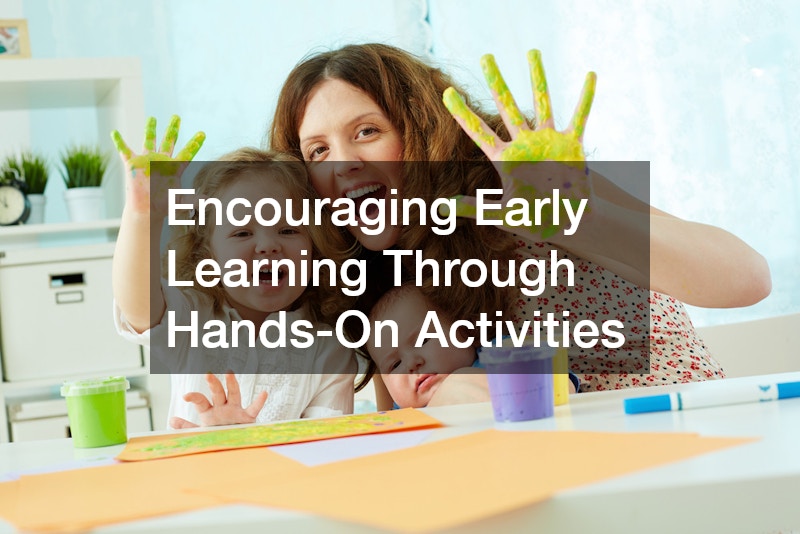
Early childhood is a time of rapid development, curiosity, and discovery. Engaging in projects for toddlers and parents allows families to nurture learning while strengthening bonds. These activities encourage communication, creativity, and shared problem-solving in ways that feel natural and enjoyable. Participating together helps children feel valued and confident in their abilities. For parents, these projects also provide moments of reflection on their child’s unique strengths and interests.
Projects for toddlers and parents can support early motor skills, language development, and emotional awareness. Simple activities such as crafting, building, or guided play help children explore new ideas while learning how to interact with others. For parents, these moments provide insight into a child’s interests and learning style. These shared experiences also create lasting memories that reinforce emotional connections.
Community programs often offer structured opportunities for shared activities, but many families also enjoy creating their own routines at home. Regardless of the setting, hands-on projects create meaningful experiences that support early development and foster a love of learning from an early age. Home-based projects allow flexibility, adapting activities to a child’s pace and preferences. Meanwhile, participating in community programs introduces children to social learning and collaborative problem-solving.
Choosing the Right Early Education Environment
Selecting an early education program is a significant decision for families. Many parents take time to explore the best preschools in their area, looking for environments that balance learning with play and social interaction. Preschool often represents a child’s first experience in a structured group setting. Choosing the right program can influence a child’s confidence and attitude toward learning. Early experiences also help shape social skills that children carry into later grades.
The best preschools typically focus on developing foundational skills such as communication, cooperation, and independence. Families often consider factors like class size, teaching approach, and parent involvement when making their choice. A supportive environment can help children feel comfortable while building confidence. Observing classroom dynamics and teacher interactions can also provide valuable insights for families.
Local preschool options offer additional benefits, including convenience and community connection. Being close to home makes it easier for parents to stay engaged and involved. Choosing the right preschool sets the tone for a child’s educational journey and supports a smooth transition into future learning environments. Familiarity with nearby resources also strengthens connections between families and educators. This involvement allows parents to actively participate in their child’s early growth and development.
Understanding Child-Led Learning Approaches
Some families seek educational models that prioritize independence and curiosity. Montessori kindergartens are known for encouraging child-led exploration and hands-on learning. In these environments, children are given the freedom to engage with materials at their own pace. This approach nurtures self-motivation and encourages children to take ownership of their learning. Parents often observe increased engagement and excitement when children pursue topics they are naturally drawn to.
Montessori kindergartens often emphasize practical life skills alongside academic concepts. Children learn through experience, developing focus, problem-solving abilities, and self-confidence. This approach can be especially appealing to families who value creativity and individualized learning paths. Children also gain a sense of responsibility as they make choices within their learning environment.
Understanding different educational philosophies helps families make informed choices. By exploring child-led models, parents can decide whether this style aligns with their goals and their child’s personality. Local options allow families to access these approaches without sacrificing convenience. Experiencing a Montessori classroom firsthand can clarify whether the approach meets the needs of each child.
Exploring Structured Academic Options for Young Learners
As children grow, families may look for educational settings that offer clear routines and academic consistency. A day school provides structured learning with scheduled activities and defined expectations. These programs often emphasize foundational academics while supporting social development. Regular routines help children feel secure and understand expectations for behavior and learning. This structure can be particularly beneficial for children transitioning from preschool to more formal education.
Attending a day school can help children become comfortable with classroom environments and daily routines. This familiarity supports confidence and prepares students for future academic settings. Parents often appreciate the balance between structure and engagement that these programs provide. Teachers in day schools often monitor progress closely, providing individualized feedback and support.
Local day schools also allow families to remain connected to their community. Proximity makes participation in school events and communication with educators more manageable. Structured academic environments play an important role in supporting both learning and personal growth. Engaging with local educators also helps families form valuable relationships that extend beyond the classroom.

Supporting Youth Growth Through Faith-Based Programs
Community involvement is an important part of childhood and adolescence. A church youth ministry offers opportunities for mentorship, service, and social connection in a values-based environment. These programs often focus on personal growth and community engagement. Participation also allows young people to develop leadership skills and a sense of responsibility. Families benefit from knowing their children are in a safe, supportive environment that aligns with their values.
Participation in a church youth ministry can help young people build strong relationships with peers and trusted adults. Activities often include group discussions, volunteer work, and social events that encourage teamwork and leadership. These experiences can be especially valuable during formative years. Students often gain confidence in public speaking, organization, and problem-solving through hands-on experiences.
For families seeking programs that align with their beliefs, faith-based youth initiatives provide additional support beyond academics and recreation. They offer a sense of belonging and purpose while encouraging positive development and community involvement. These programs also foster intergenerational connections and reinforce family values.
Building Strength, Coordination, and Confidence Through Movement
Physical activity plays a vital role in a child’s overall development. Gymnastics classes offer structured movement that helps improve balance, coordination, and strength. These programs often emphasize personal progress and skill-building. Regular participation can improve focus, endurance, and overall health. Children also enjoy the challenge of mastering new skills and celebrating their accomplishments.
Enrolling children in gymnastics classes also supports confidence and discipline. Learning new skills requires patience and perseverance, which can translate into other areas of life. Children often take pride in their accomplishments as they master movements over time. This process also encourages a growth mindset, teaching children to embrace effort and learn from mistakes.
Local programs make it easy for families to incorporate regular physical activity into busy schedules. Having accessible options encourages healthy habits and provides children with an outlet for energy and creativity in a supportive environment. Participating in community-based classes also helps children build friendships and social skills. Families can observe progress firsthand and celebrate achievements together.

Establishing Ongoing Care With a Reliable Medical Provider
Consistent health care is a cornerstone of family well-being. Establishing care with a local family doctor helps ensure continuity and familiarity over time. Having a provider who understands your family’s medical history supports proactive care. Regular checkups help identify potential issues early, preventing more serious problems later. Families often feel more confident knowing they have a trusted professional to turn to for advice.
A local family doctor often becomes a long-term partner in managing health concerns and routine checkups. Accessibility makes scheduling appointments easier, and familiarity builds trust between families and providers. This relationship supports both preventive care and timely guidance. Doctors who know a family well can also offer personalized recommendations tailored to lifestyle, diet, and growth patterns. Families benefit from peace of mind and more effective care planning.
Reliable local health care allows families to address concerns early and maintain overall wellness. Knowing where to turn for medical support provides peace of mind and contributes to a stable foundation for growing families. In emergencies, familiarity with a trusted provider ensures quicker and more coordinated responses.
Planning Affordable Adventures for Family Travel
Travel offers opportunities for bonding and creating lasting memories. Choosing a used camper can make family adventures more affordable and flexible. Campers allow families to explore new destinations while maintaining comfort and familiarity. Traveling together strengthens relationships and provides shared experiences that last a lifetime. It also teaches children independence, responsibility, and adaptability.
A used camper also encourages outdoor experiences and shared responsibility. Families can travel at their own pace, enjoy nature, and create routines that suit their needs. This type of travel often feels more relaxed and personal. Children often develop an appreciation for the outdoors and learn practical skills like navigation, planning, and teamwork.
Local sellers and dealers make it easier to find options that fit different budgets and lifestyles. For families who enjoy road trips and outdoor exploration, campers provide a practical way to expand travel opportunities. They can also offer warranties, support, and customization to meet family needs.
Simplifying Short-Distance Transportation for Local Outings
Convenient transportation can enhance everyday family activities. Golf cart rental services offer an easy way to move through neighborhoods, campgrounds, or event spaces. These rentals are especially popular for short-distance travel. They provide flexibility for parents and fun for children, making outings less stressful. Golf carts can also allow extended access to parks, festivals, and other community spaces.
Using golf cart rental options can make outings more enjoyable and accessible for all ages. They are useful for group events, family gatherings, or locations where walking long distances may be difficult. This convenience adds comfort without complexity. Families can carry supplies, snacks, or recreational equipment easily. Children often enjoy the novelty, making transportation part of the experience rather than a chore.
Local providers make it simple to access rentals when needed. Having flexible transportation options allows families to focus on enjoying time together rather than on logistics. Being close by also allows for quick returns or exchanges, enhancing convenience. These services can reduce the stress of planning and allow spontaneous outings.
Every stage of family life comes with new challenges and opportunities. Having access to trusted local resources helps families navigate these changes with confidence. From education and health care to recreation and transportation, these services support daily life and long-term growth. Utilizing local resources also encourages community involvement and strengthens social connections.
Staying informed about community options empowers families to make thoughtful decisions. As needs evolve, local resources provide continuity and connection. By exploring and utilizing these essential services, families can build a strong foundation that supports learning, wellness, and meaningful experiences for years to come. Engaging with local resources also inspires families to give back, creating a cycle of support and enrichment. Over time, these connections contribute to a thriving, well-rounded family life.