Metal recycling is a crucial process that aids sustainable development and environmental conservation. The extraction and processing of virgin raw materials have significant adverse environmental effects, including air and water pollution. Recycling metals reduces the need for these processes, directly reducing environmental degradation.
In addition, the preservation of natural resources ensures that metals don’t end up in landfills, which could pose long-term ecological problems. Understanding this allows individuals and communities to make informed decisions when considering metal recycling.
Economic benefits also play a prominent role in reinforcing the importance of metal recycling. The recycling industry creates jobs and contributes to the economy by supplying raw materials to manufacturers. These materials are usually less expensive than freshly extracted ones, making the manufacturing process more cost-efficient. In turn, this price efficiency is transferred to the end consumer, making everyday products more affordable. Recognizing these economic advantages encourages businesses and consumers alike to participate actively in recycling efforts.
From an energy consumption perspective, recycling metals is significantly less energy-intensive than extracting and processing raw materials. For instance, recycling aluminum saves about 95% of the energy required to produce new aluminum from bauxite. This energy saving means lower carbon emissions, reducing the overall carbon footprint. Through these energy savings, metal recycling contributes to global climate goals by curbing climate change and promoting a cleaner, more sustainable environment.
Types of Metals Suitable for Recycling
Various types of metals can be recycled, each contributing differently to the recycling ecosystem. Ferrous metals, which are primarily composed of iron, such as steel, are widely recycled due to their prevalence in numerous industries. Many construction projects utilize recycled steel to minimize costs and maintain quality. Among ferrous metals, steel is particularly notable for being one of the most recycled materials in the world. Knowing which metals can be recycled is vital for maximizing the efficacy of recycling efforts at the individual and industrial levels.
Non-ferrous metals, including aluminum, copper, and zinc, are equally important in the recycling industry. Aluminum’s lightweight nature and resistance to corrosion make it an ideal candidate for recycling, particularly in the automotive and packaging industries. Copper is prized for its conductivity, making it valuable for recycling in electrical applications. Given that these metals maintain their properties even after being recycled multiple times, they represent a perennial boon to sustainable manufacturing.
Less common but also recyclable are precious metals such as gold, silver, and platinum. These metals are often recovered from electronic waste and catalytic converters. Despite their small quantities in discarded goods, the recycled value of these metals is high, incentivizing their recovery. Additionally, rare metals used in technology, such as lithium and cobalt, are gaining attention for recycling due to their critical role in battery production. The expansion of technologies advocating for electric vehicles has further fueled the demand for efficient recycling of these rare earth elements.
How to Prepare Metals for Recycling
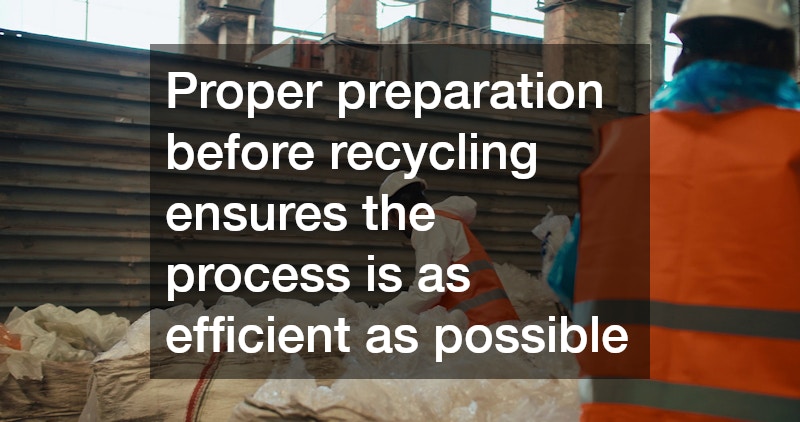
Proper preparation of metals before recycling ensures the recycling process is as efficient and effective as possible. Cleaning metals to remove any residual waste, such as food or plastic coverings, is an essential first step. This helps prevent contamination during the recycling process, which can degrade the quality of the recycled material. Separation of different types of metals is also necessary to facilitate their specific recycling processes. Moreover, organizing metals according to their category reduces processing time and ensures better quality in the end product.
Once metals have been cleaned and sorted, they should be transported to recycling facilities in suitable containers. By organizing metals efficiently during transport, the risk of damage or contamination is minimized. Handling larger metal pieces may require specific equipment to ensure safe and efficient transport to recycling facilities. Additionally, being mindful of the regulations regarding the recyclability of specific items can prevent unnecessary disposal of recyclable metals. Awareness of these practices among recyclers contributes significantly to enhanced metal recycling productivity.
Individuals engaged in metal recycling can also explore community programs and collection centers designed to facilitate recycling. Many municipalities provide curbside pickup services, and some offer community drop-off points. By participating in these local programs, individuals and businesses can contribute to larger-scale recycling efforts. Moreover, these programs often provide educational resources that enhance understanding of best practices in metal recycling. Engagement with local recycling programs fosters a collective responsibility towards environmental sustainability and conservation.
The Future of Metal Recycling
Looking ahead, the future of metal recycling appears promising as continued environmental awareness grows globally. Innovations in recycling processes and technology are expected to improve efficiency and effectiveness. Developments in robotics and AI offer potential solutions to separation challenges, ensuring high-quality recycled metal outputs. Encouragement from governmental policies can further boost recycling rates and expand the reach and capability of recycling systems. Such innovations assure that metal recycling will continue to contribute significantly to sustainable practices.
As awareness about environmental sustainability pervades consumer markets, demand for products using recycled materials is likely to increase. Consumers are becoming more invested in the environmental impact of their purchases, prompting manufacturers to incorporate more recycled materials into their products. This shift towards environmentally-conscious consumption supports the growth and expansion of the recycling industry. Therefore, businesses focusing on sustainability have a competitive edge and can create new market opportunities by promoting metal recycling.
Environmental education and community engagement will also play vital roles in the future of recycling. As more people understand the impact of their choices on the environment, participation in recycling programs is anticipated to rise. Educational initiatives can bridge knowledge gaps and foster active involvement in recycling practices. Moreover, collaborative approaches combining governmental, corporate, and community efforts are likely to result in more holistic and effective recycling strategies. Such strategic partnerships can accelerate advancements and underscore the pivotal role of metal recycling in achieving a sustainable future.